Understanding Microplastic Exposure | Upspace Post
Social media to level UP
View in App
Understanding Microplastic Exposure
Ramese Sanders
Assess Your Microplastic Intake
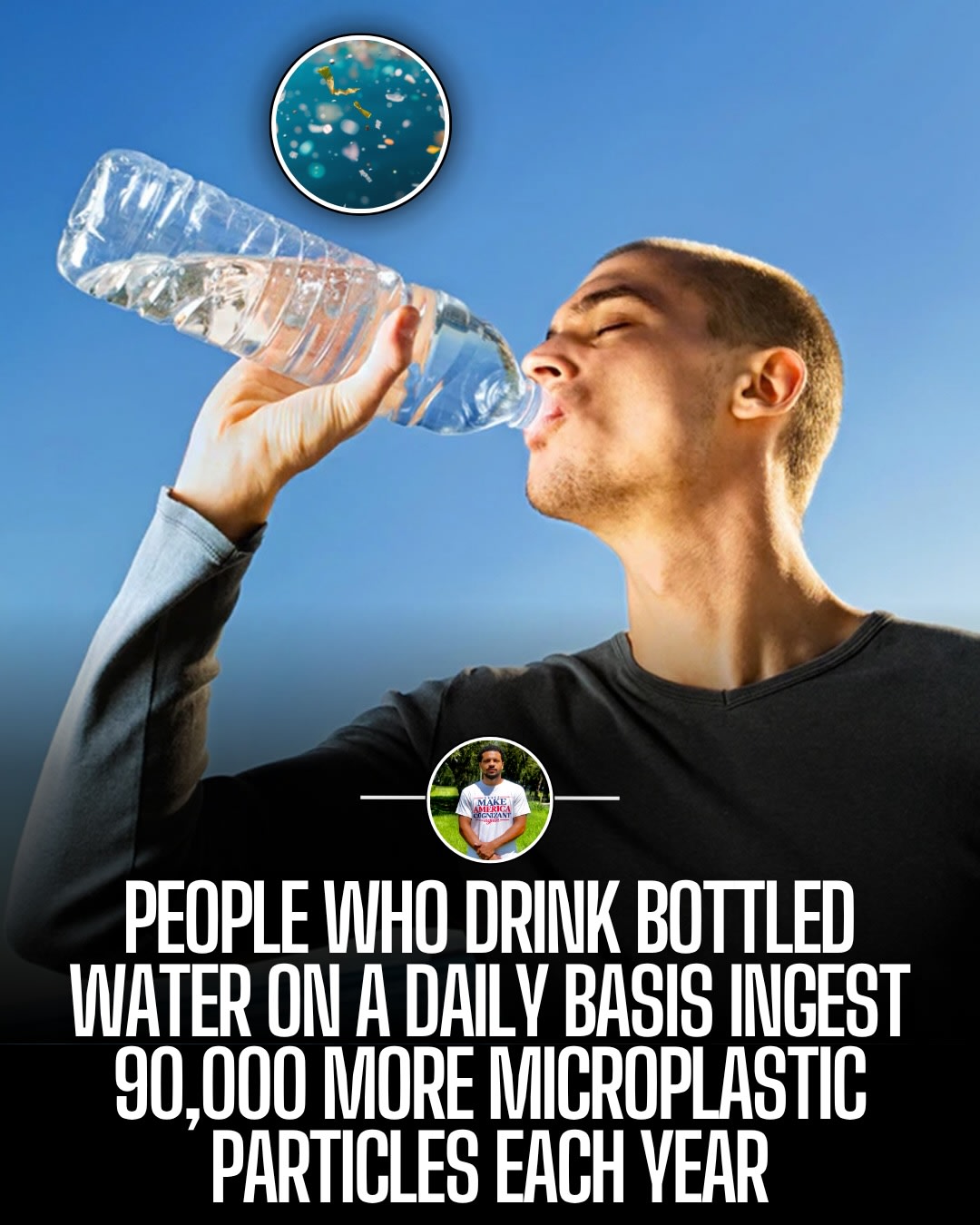
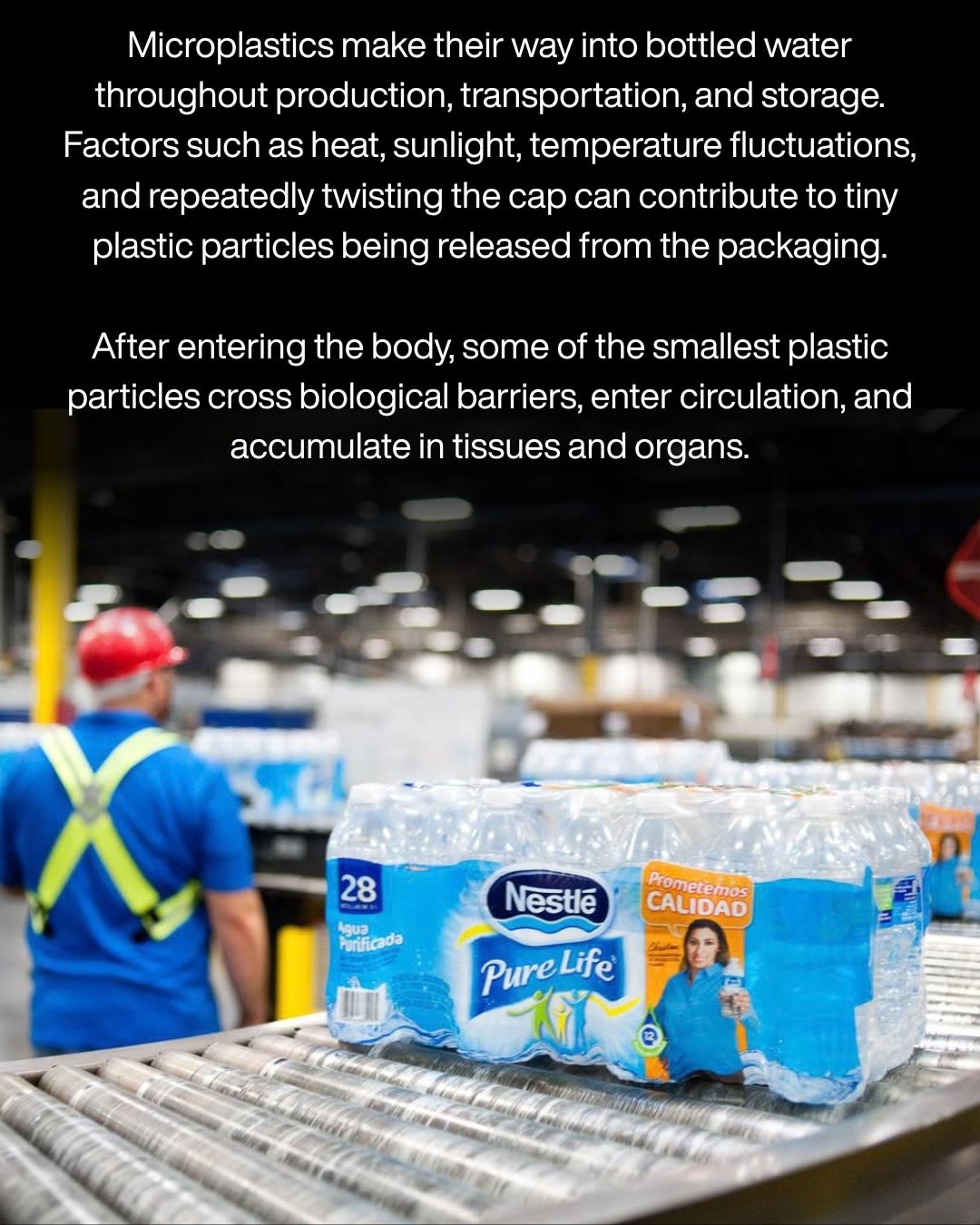
After analyzing 140 scientific studies, doctoral researcher Sarah Sajedi found that the average person consumes roughly 39,000–52,000 microplastic particles each year through food and drinking water. For people who regularly rely on bottled water, exposure is significantly higher, adding close to 90,000 additional microplastic particles annually. Microplastics make their way into bottled water throughout production, transportation, and storage. Factors such as heat, sunlight, temperature fluctuations, and repeatedly twisting the cap can contribute to tiny plastic particles being released from the packaging. After entering the body, some of the smallest plastic particles cross biological barriers, enter circulation, and accumulate in tissues and organs. If you care about your health and want to become cognizant, click the link in my bio to schedule a 1:1 consultation. During our session, we’ll take a closer look at your everyday routine, from your food and drinking water to household products, personal care, and lifestyle, and identify areas where you may want to make more informed swaps. My goal isn’t to make healthy living feel overwhelming. It’s to help you become more cognizant of what you’re bringing into your home and using every day, so you can make choices that actually align with the lifestyle you want to live. You’ll leave with personalized guidance, practical swaps, and a clearer idea of where to start!
more